

How Do You Repair Etching in Marble?
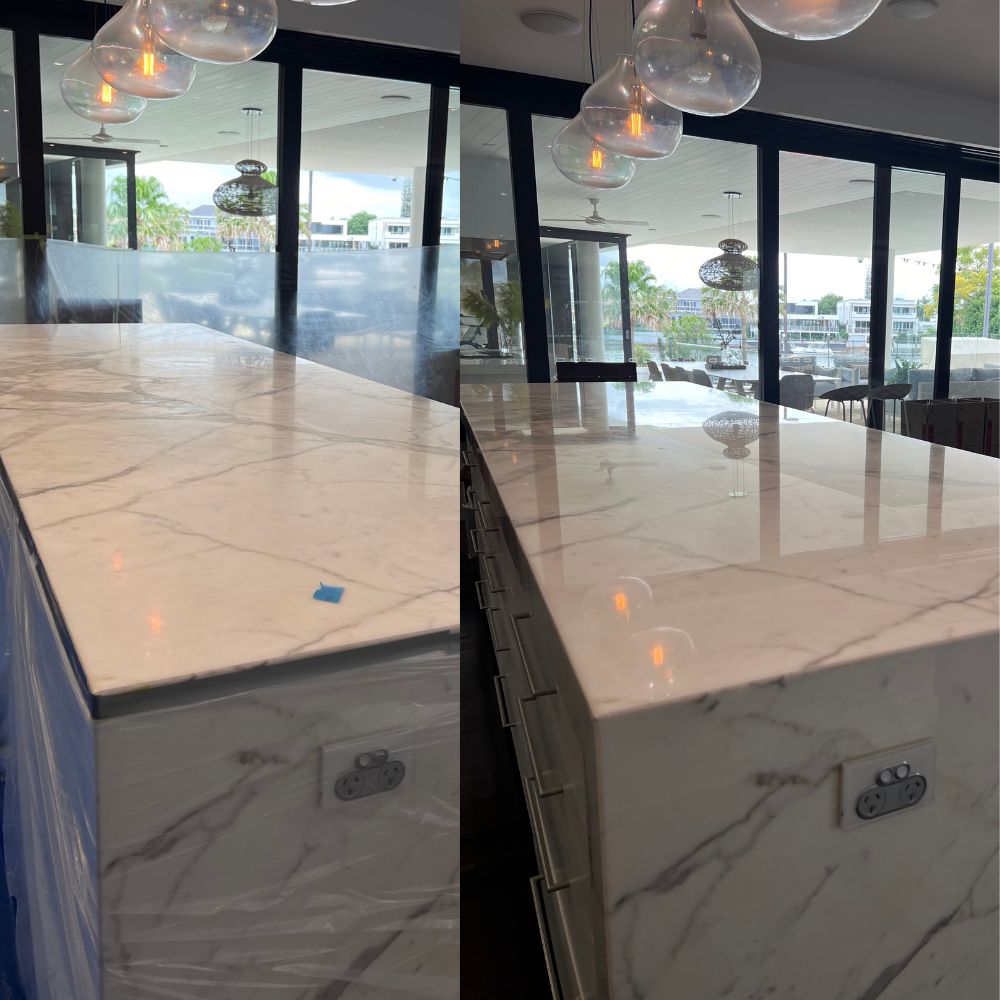
Etching in marble is repaired depending on how deep the etching has gone into the stone. The first thing you would normally try is marble polishing powder with a hand machine, a soft pad and a bit of water. The powder has little bits of grit in it, so it tries to scratch away the etched area and bring the surface back.
If that works, then that’s it. The area can be rinsed and finished. If the etch is still there, then you have to go through with diamond pads and polishing. The diamond grade depends on how severe the etch is.
What Is Marble Etching?
Etching is not really a stain sitting on top of the marble. It is where something has reacted with the surface and damaged the finish.
Marble is sensitive to acidic products. So if something acidic sits on the marble, it can eat into the surface and leave a dull mark, cloudy patch, ring or spot. That is why people often think it is staining, but a lot of the time it is actually the marble surface that has been marked.
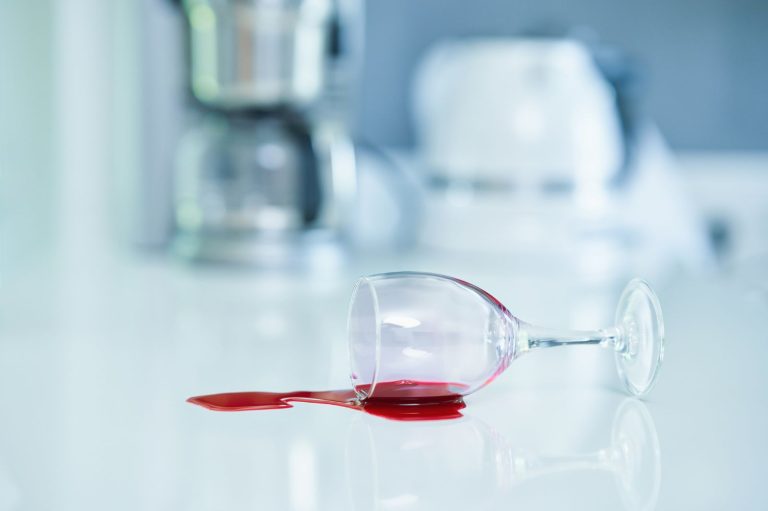
You usually see it where someone has put a glass, cup or bottle on a benchtop or table. If there has been something acidic there, it can etch into the marble and leave a mark.
What Causes Etching in Marble?
Etching is normally caused by acidic products. That can include things like:
- Lemon juice
- Vinegar
- Wine
- Alcohol
- Fruit juice
- Soft drinks
- Acidic cleaning products
- Bathroom cleaners
- Grout cleaners
- Food spills
- Glass or cup marks
A lot of water rings and spots on marble are basically the same as etching. People put a glass or cup on the counter, there is an acidic product there, and it etches into the marble.
So the mark might look like a watermark, but the process to repair it is usually the same as etching.
How Do You Know If It Is Etching or a Stain?
A stain is normally something that has soaked into the stone. It might go darker, yellow, brown or leave a colour in the marble.
Etching is more of a dull mark. It can look cloudy, white, flat or like the shine has gone from that area. Sometimes you only see it when the light hits it a certain way.
You can also get both at the same time. A product might stain the marble and etch the surface. So you need to look at what has actually happened before deciding how to repair it.
Repairing Light Etching in Marble
With light etching, you would always try the least aggressive way first.
First of all, you would try and remove the etching with marble polishing powders. You would do this with a hand machine and a soft pad, using a bit of water. The polishing powder has fine grit in it, and the idea is to work away the etched surface and bring the shine back.
If this is successful, then that’s it. You don’t need to go any further than you have to.
Once the etch has been removed, the area is rinsed and cleaned off.
Repairing Deeper Etching in Marble
If the etching is still there after polishing powder, then you have to go through with diamond pads and polishing.
The diamond grade depends on the severity of the etch. For example, if it was bad enough that you had to start at a 200 grit, then you would need to follow the process all the way up through the grades to around 1500 grit with a hand machine.
You can’t just hit it with one diamond pad and stop. You have to work through the grades properly, otherwise the finish will not look right.
Once that has been done, you apply polishing powders, machine polish it, and rinse the area.
The aim is to blend the repaired section back into the rest of the marble so it does not stand out.
Can You Fix Marble Etching Yourself?
For very light etching, some people may try marble polishing powder themselves. But you have to be careful.
The hard part is not just taking the mark out. The hard part is making that spot match the rest of the marble. If you work one area too much, or use the wrong product, you can end up with a patch that looks different from everything else.
If the etching is deep, or if it is on a polished benchtop, table, vanity or floor, it is usually better to have it done properly. Once you start using the wrong pads, harsh cleaners or abrasive products, you can make the job bigger than it needed to be.
How To Prevent Marble Etching
The best thing is to stop acidic products sitting on the marble.
Use coasters under glasses and cups, especially with wine, alcohol, citrus drinks or anything acidic. Clean spills as soon as you can. Use placemats or trays on tabletops and benchtops. Be careful with bathroom products around marble vanities and showers.
For cleaning, use a suitable stone-safe cleaner, not vinegar or harsh chemicals.
Sealing can help with staining and absorption, but it does not stop acid from etching marble. So even if the marble is sealed, you still need to be careful with acidic products.
When To Call a Professional
You should call someone in if the etching is deep, if there are a lot of marks, or if the marble has lost its shine across a larger area.
It is also worth getting it looked at if you are not sure whether it is a stain or an etch. If it is a stain, it may need a poultice. If it is etching, it needs polishing. If it is both, it may need both processes.
Work Out How Bad The Etch Is
So, how do you repair etching in marble? First, you work out how bad the etch is. If it is light, you try marble polishing powder with a soft pad, hand machine and water. If that works, you rinse it off and that is the job done.
If it is still there, then it needs diamond pads. The grade depends on how severe the etching is, and you have to go through the process properly before finishing with polishing powder and machine polishing.
The biggest thing is not to use the wrong cleaners in the first place. Vinegar, lemon juice, acidic products and harsh cleaners can all etch marble. Once the surface is marked, it needs to be polished back, not just cleaned. In most cases it’s really best to get a professional involved to rectify this issue.
Contact Marble Everlast
Need help restoring, polishing or protecting your marble, stone or terrazzo surfaces? Speak with the Marble Everlast team today.
More from the Blog