

What Causes Marble To Go Yellow?
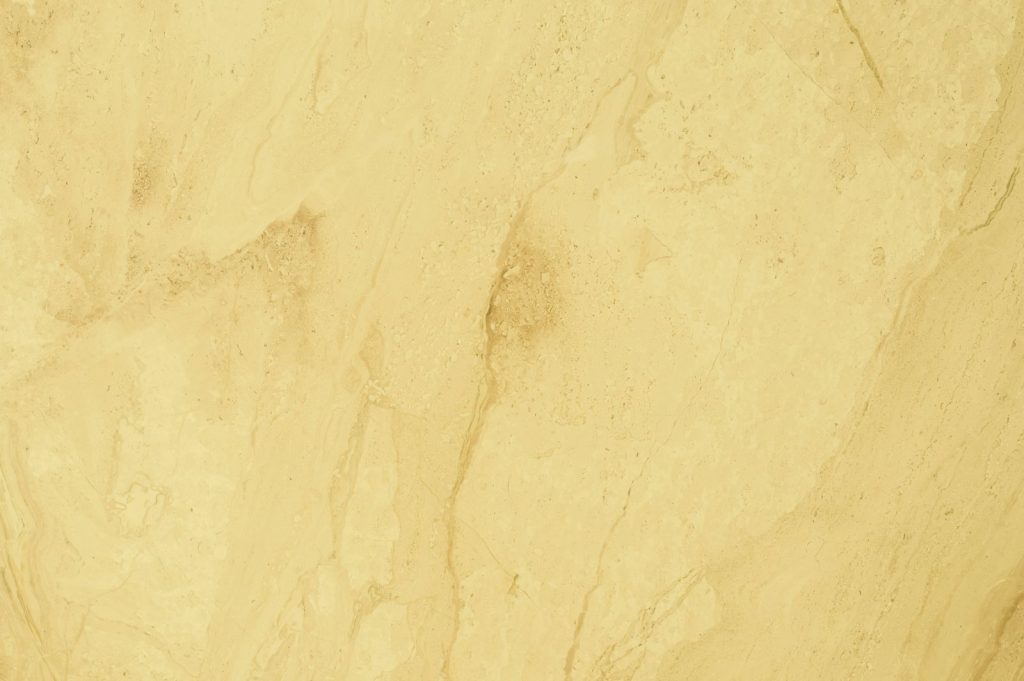
Marble can go yellow for a few different reasons, but a common one is an old coating that has been applied to the stone. A lot of the time, especially with tabletops or furniture, it can be a polyurethane coating that has started to break down. It might have been put on years ago to give the marble a hard, scratch-resistant finish, but after a while it can go yellow, start flaking, and make the whole surface look old and stained.
It can also be caused by dirt build-up, moisture, staining, old sealers, waxes or the wrong cleaning products. So before you can say how to fix it, you need to know whether the yellowing is sitting on top of the stone or whether it has gone into the marble.
Old Polyurethane Coatings Can Turn Yellow
One of the main reasons you see yellowing on marble is from old polyurethane coatings. This is mainly on marble tabletops, furniture and pieces that have had a hard surface coating applied to them.
Polyurethane can give the marble a hard finish and make it more scratch resistant, but the downside is that after a few years it can pass its use-by date. Once that happens, it can start to go yellow. It can also start to flake off.
So what you are seeing is not always the marble going yellow. You may be seeing the old polyurethane sitting on top of the marble and breaking down.
How Yellowed Coatings Are Removed
If the yellowing is from an old polyurethane coating, the coating has to be removed. That normally means scraping it off by hand.
The problem is, once you start scraping that coating off, you are going to scratch the surface. There is not really a way around that. So after the coating has been removed, the marble then needs to be resurfaced.
That usually means going through the diamond grades to take the scratches out and bring the marble back to the finish you are after. Once the surface has been worked back properly, it can then be polished.
So it is not just a case of wiping something over it and the yellowing disappears. If it is an old coating, it is a proper restoration process.
Dirt, Grime and Product Build-Up Can Make Marble Look Yellow
Marble can also look yellow because of what has built up on the surface over time.
If too much cleaning product has been used, or the floor has not been rinsed properly, it can leave residue behind. Over time, that residue can hold dirt and make the marble look dull, patchy or yellow.
Old waxes and surface sealers can do the same thing. They can trap dirt on top of the marble, and instead of the stone looking clean and natural, it starts to look tired and discoloured.
This is why using the right product matters. More cleaner does not mean a better clean. Sometimes it just means more build-up sitting on the surface.
Moisture Can Also Cause Discolouration
Moisture can cause a lot of problems with natural stone. If moisture is moving through the stone or coming up from underneath, it can bring salts, minerals or staining with it.
Sometimes this shows up as white powdery marks, which is efflorescence. Other times, it can leave staining or discolouration that looks yellow or brown.
If moisture is part of the problem, you need to deal with that first. Otherwise, you can clean and polish the surface, but the issue may keep coming back.
Rust and Organic Stains Can Look Yellow Too
Not all yellow marks are from coatings. Some are actually stains.
Rust from metal objects can leave yellow, orange or brown marks in marble. You might see this from furniture legs, plant pots, tins, metal containers or anything wet that has been left sitting on the marble.
Organic stains can also discolour marble. Things like food, leaves, timber, coffee, tea or other materials can leave marks if they sit there long enough.
This is where you would look at whether a poultice is needed. A poultice is a paste that is applied to the stained area to try and draw the stain back out of the stone. But again, it depends how long the stain has been there and how far it has gone in.
The Wrong Cleaning Products Can Make It Worse
Marble does not like acidic products. So vinegar, lemon juice, acidic bathroom cleaners, grout cleaners and harsh products should not be used on marble.
They can etch the surface, which means they damage the finish. Once that happens, the marble can look dull, cloudy, patchy or discoloured. Sometimes people try to clean yellowing with stronger products, but they end up causing more damage.
Abrasive cleaners are another problem. They can scratch the surface and take away the finish. Once the marble loses its finish, it will hold dirt more easily and look worse over time.
Can Yellow Marble Be Restored?
A lot of the time, yes, yellow marble can be improved or restored, but it depends on what has caused the yellowing.
If it is an old coating sitting on top of the marble, then the coating can usually be removed and the marble can be resurfaced and polished.
If it is dirt or product build-up, then a proper clean and polish may bring it back.
If it is staining, then a poultice may be needed to try and draw the stain out.
If it is etching, then it may need polishing powders or diamond polishing.
If it has gone deep into the stone, then it is harder. That is when you have to be realistic. Sometimes you can improve it, but you may not get it back perfectly.
How We Would Look at Yellowing Marble
The first thing is to look at where the yellowing is and what type of surface it is on.
A marble tabletop is different to a floor. A vanity is different to a shower. A coated piece of furniture is different to a stone tile that has moisture coming through it.
We would look at whether the yellowing is even or patchy. We would check if there is an old coating on top. We would look for flaking, dullness, scratches, staining, moisture issues or signs that the wrong products have been used.
Once you know what is causing it, then you can work out the right process.
How To Help Stop Marble Going Yellow Again
The best thing is to use the right products and not put random coatings on marble.
Use a suitable pH-neutral stone cleaner. Do not use vinegar, lemon juice or acidic cleaners. Do not use harsh bathroom cleaners or abrasive pads. Clean spills early and do not let water or dirt sit on the surface for too long.
If the marble needs sealing, use the right type of sealer for the stone. And if it has already been restored, follow the maintenance advice properly so you are not building up more product on the surface.
The Important Thing is Not to Guess
The important thing is not to guess. You need to work out whether the yellowing is from a coating, a stain, moisture, dirt build-up or damage from the wrong cleaning products.
Once you know that, you can choose the right method. Sometimes that means stripping, resurfacing and polishing. Sometimes it means stain treatment. Sometimes it is a cleaning and maintenance issue.
The earlier it is looked at, the better the chance of getting the marble back to where it should be
Contact Marble Everlast
Need help restoring, polishing or protecting your marble, stone or terrazzo surfaces? Speak with the Marble Everlast team today.
More from the Blog