

Can Marble Be Restored?
Yes, marble can absolutely be restored. In most cases, worn, stained, etched, or damaged marble can be brought back to a clean, smooth, and attractive finish using professional restoration techniques. Even marble that looks beyond saving often responds well to the right combination of grinding, honing, polishing, and sealing.
Marble is a natural, calcareous stone. Over time, exposure to foot traffic, acidic spills, moisture, incorrect cleaning products, and general wear will dull the surface and cause visible damage. Restoration focuses on removing the damage from the stone itself, rather than simply masking it.
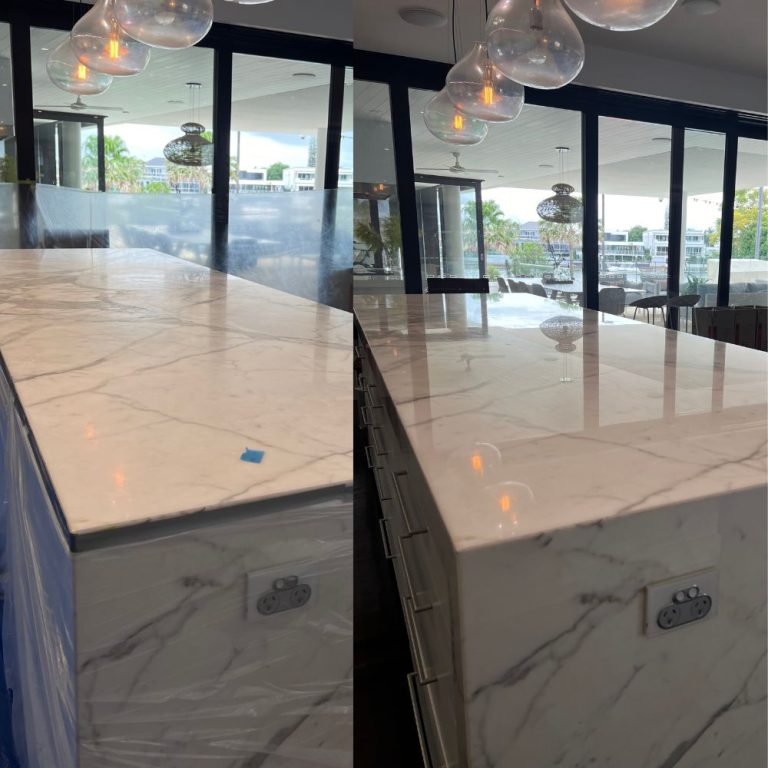
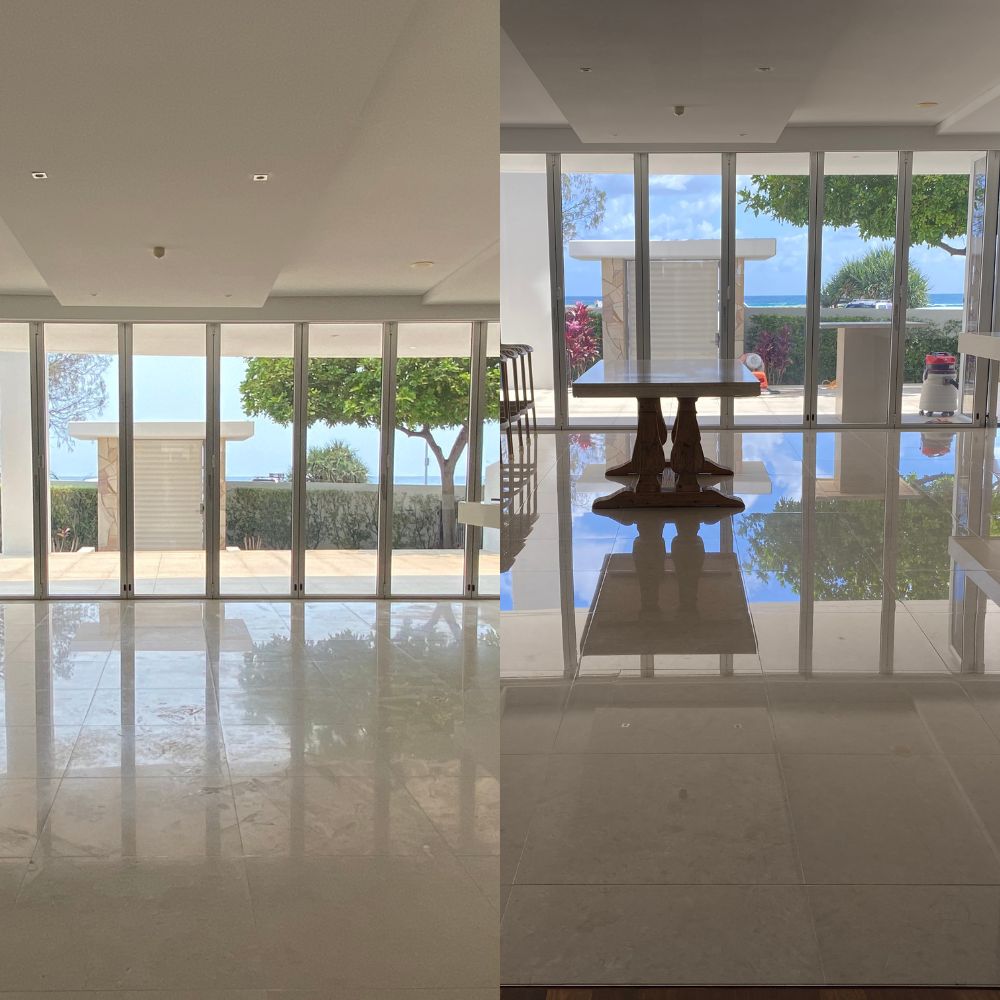
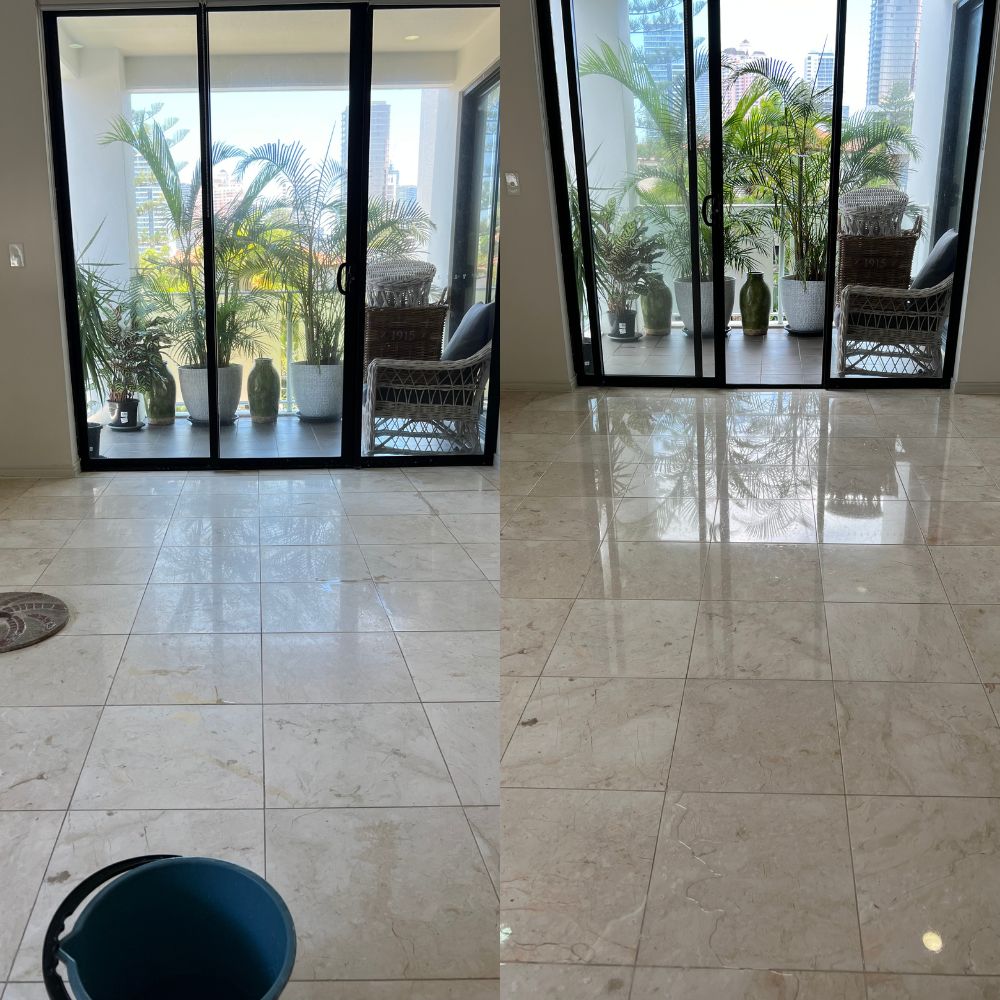
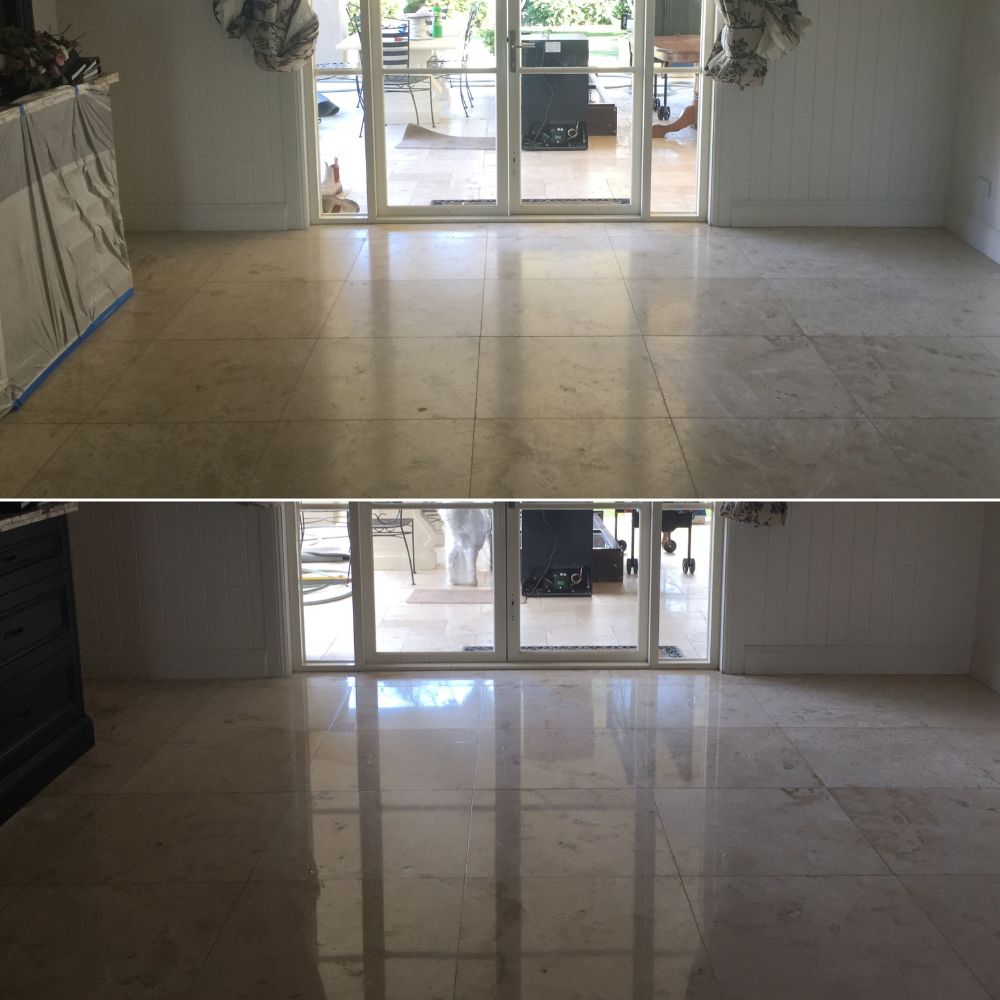
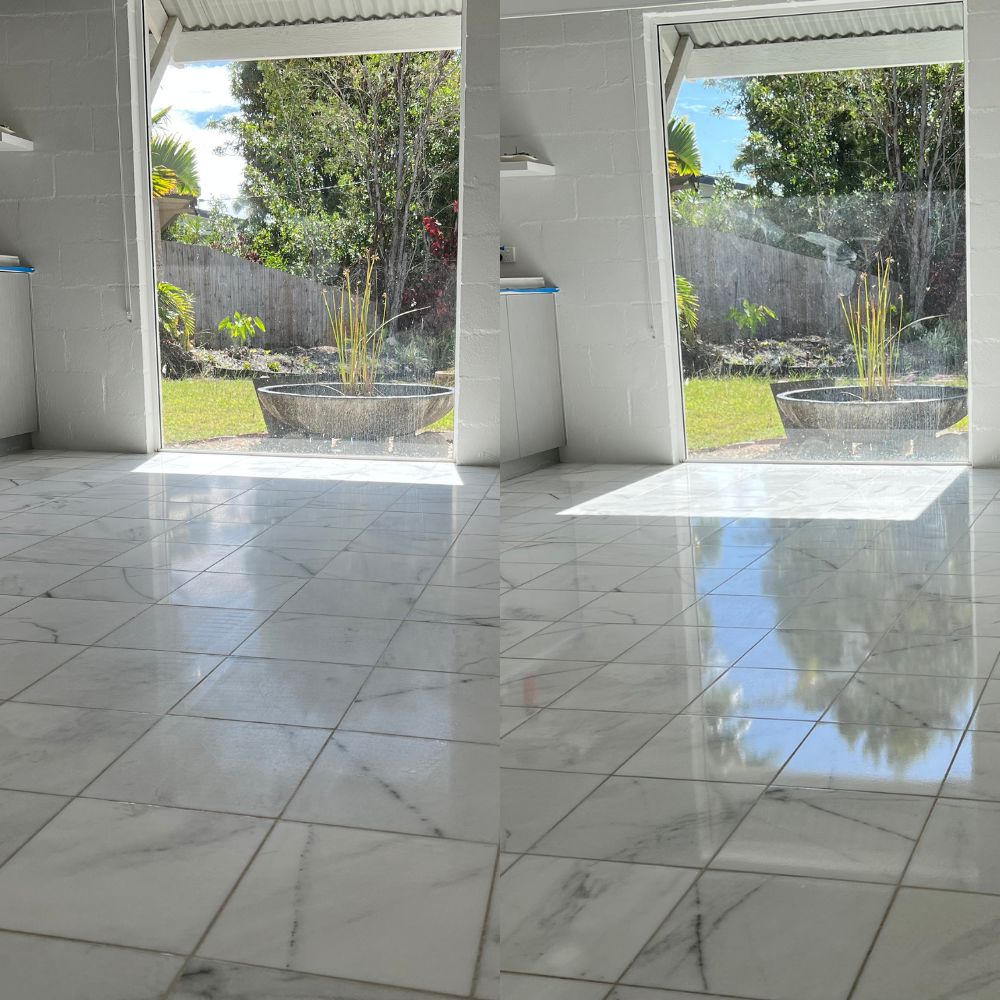
See the below example of one of our restoration projects
Are Your Stone Surfaces in Need of Professional Restoration?
Call The Marble Everlast Team Today
0451090900
What Types of Marble Damage Can Be Restored?
Professional marble restoration can address a wide range of common issues, although results can vary depending on the type of marble, the extent of the damage, and how long the issue has been present so its always best to get advice from a professional like Marble Everlast on expected outcomes.
Etching and Water Rings
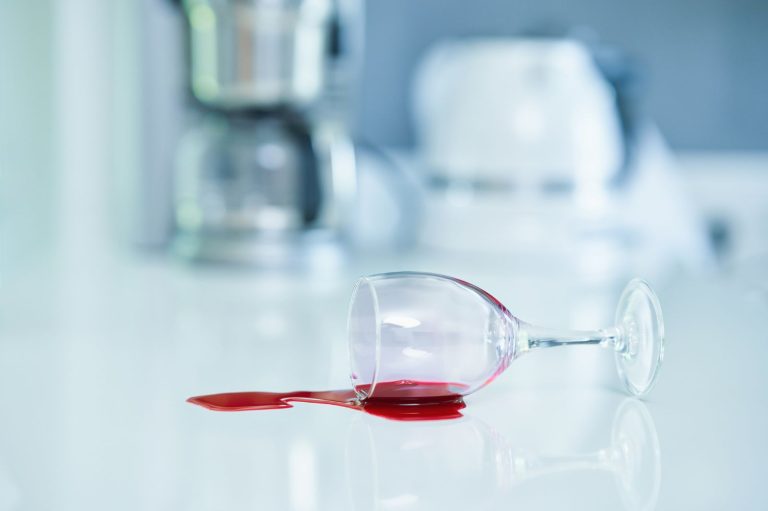
Etching is one of the most common marble problems and is caused by acidic substances such as wine, citrus, coffee, or cleaning products. These leave dull patches or rings on the surface.
Light etching can often be removed with marble polishing powders, while deeper etching requires diamond honing followed by polishing to restore an even finish.
Chips and Edge Damage
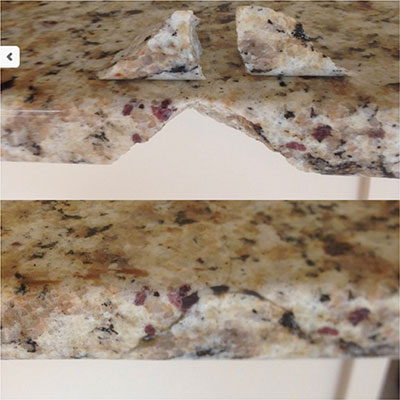
Chips commonly occur on benchtop edges and corners. These can be repaired using colour-matched epoxy or UV-cured resins, shaped and polished so the repair blends seamlessly with the surrounding stone.
Stains
Marble is porous, so oils, food, rust, and organic matter can penetrate below the surface. Many stains can be removed using a poultice, which draws the stain out over 24–48 hours. Results are best when stains are treated early, as older stains may be more difficult or, in some cases, permanent.
Dull, Worn or Scratched Surfaces
General wear causes marble to lose its shine over time. Dullness can often be corrected with polishing powders. If wear is heavier, diamond grinding and honing are used to resurface the marble before polishing it back to the desired finish.
Uneven Tiles (Lippage)
Lippage occurs when tile edges sit at different heights, creating an uneven floor. This is common in tiled marble floors. Restoration involves grinding the surface flat using metal-bond diamonds, followed by honing and polishing for a smooth, level result.
Efflorescence
Efflorescence appears as a white or silvery powder on the surface and is caused by moisture drawing salts up through the stone. Specialised treatments are used to remove it safely without damaging the marble.
Yellowing
Yellowing is often caused by old polyurethane sealers breaking down over time, especially on tabletops and furniture. The failed coating must be carefully removed, then the marble is resurfaced and polished to restore its natural colour.
Contact Marble Everlast Today
If your marble floors, benchtops, or tiles are looking worn, damaged, or beyond a simple clean, our team at Marble Everlast Stone Cleaning & Restoration can help. We’ll assess the condition of your marble and recommend the most effective restoration approach from polishing and honing through to repairs and sealing. Get in touch with our team today to arrange a professional inspection and see how your marble can be restored rather than replaced.
Stone Floor Restoration Before and After Gallery
-

- Marble Floor Restoration Brisbane Gold Coast
-
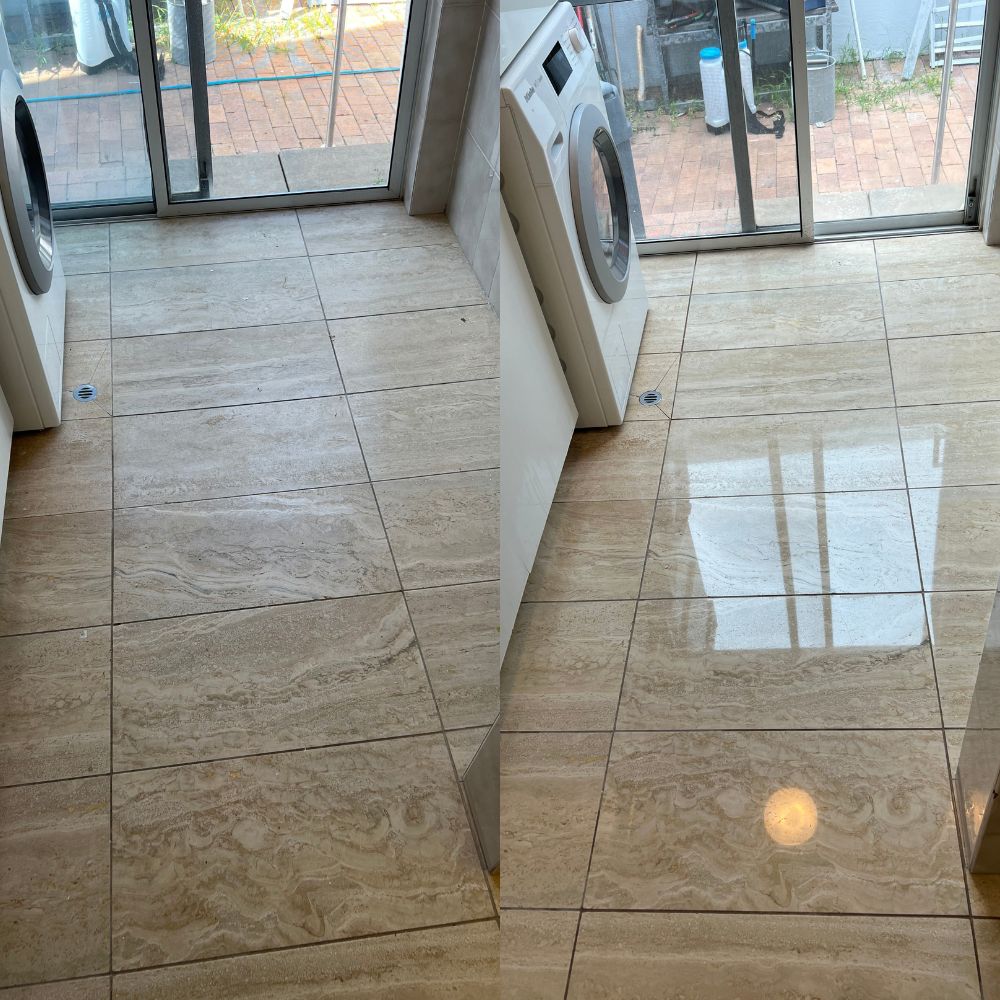
- Marble Laundry Floor Polishing Before After Brisbane Gold Coast
-
- Limestone Floor Polishing Before After Brisbane Gold Coast
-
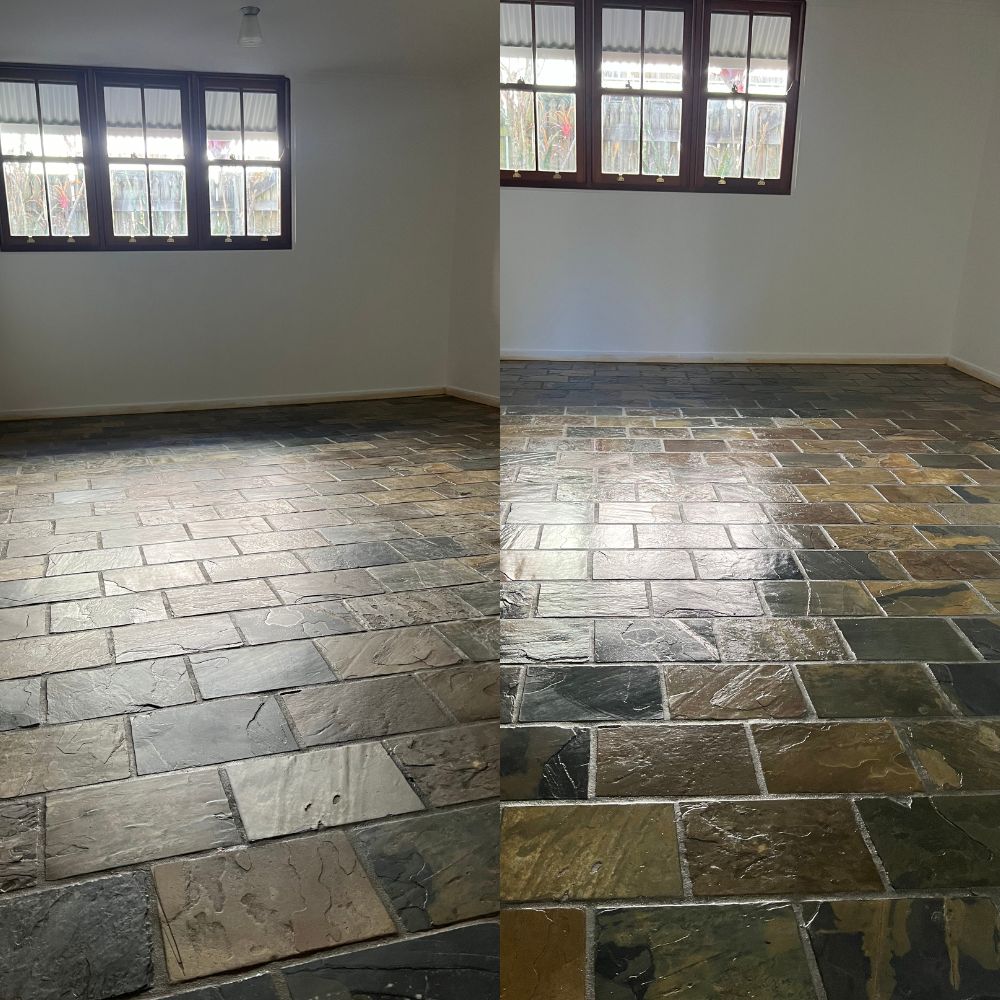
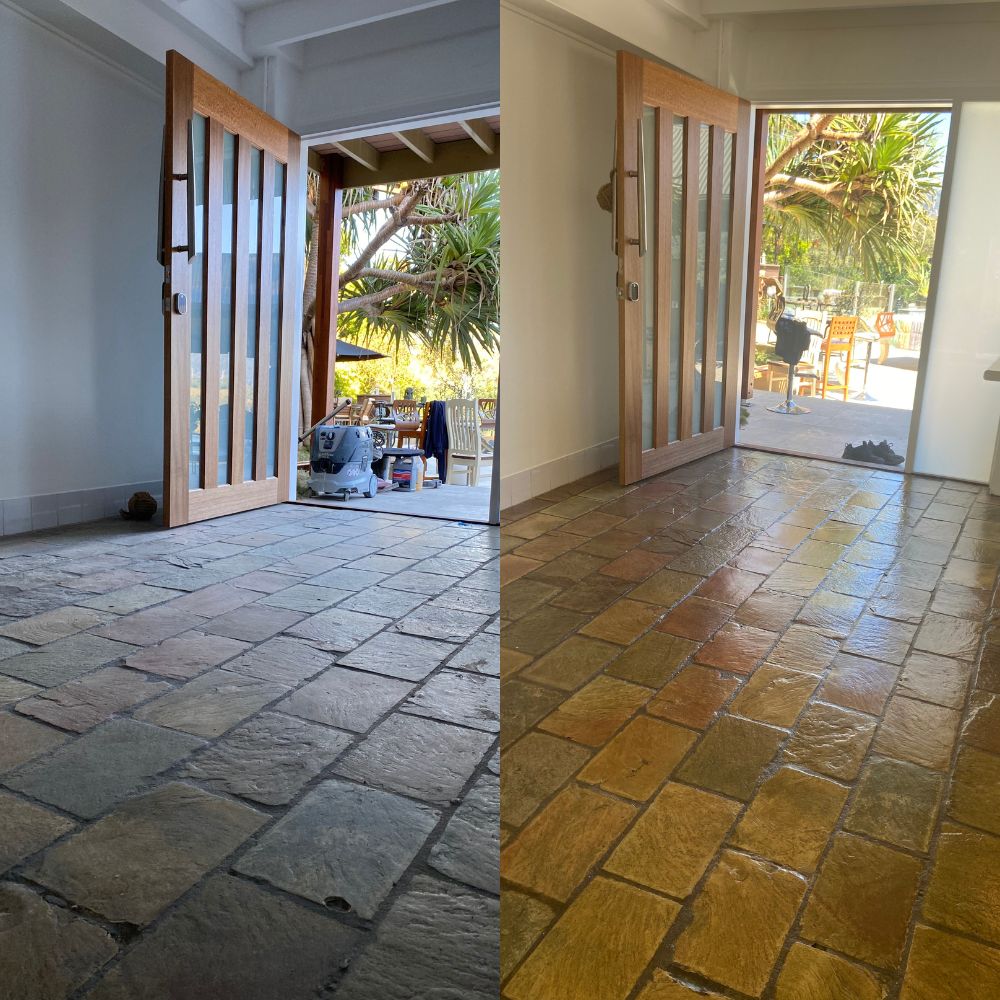
- Slate Tile Restoration Before After Brisbane Gold Coast
-
- Slate Floor Cleaning Sealing Brisbane Gold Coast
-

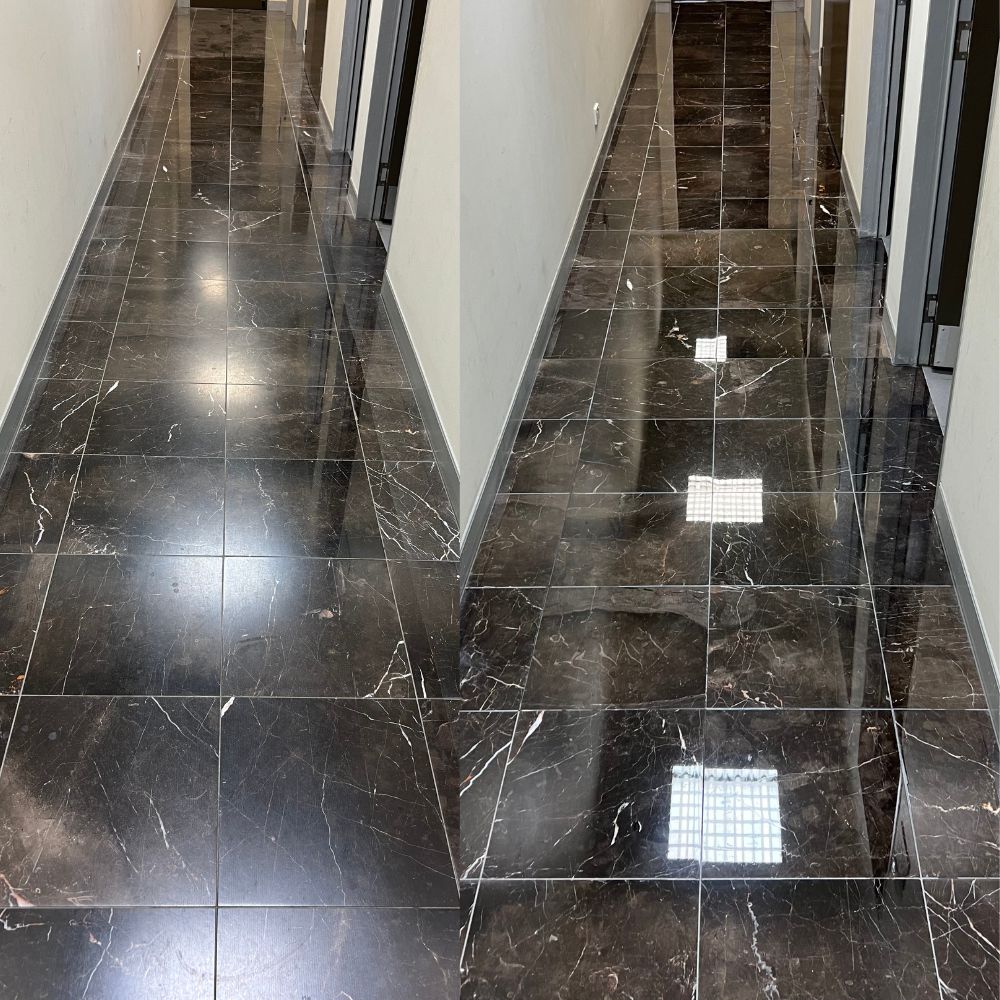
- Marble Floor Polishing Before and After Brisbane Gold Coast by Marble Everlast
-
- Commercial marble restoration before & after
-

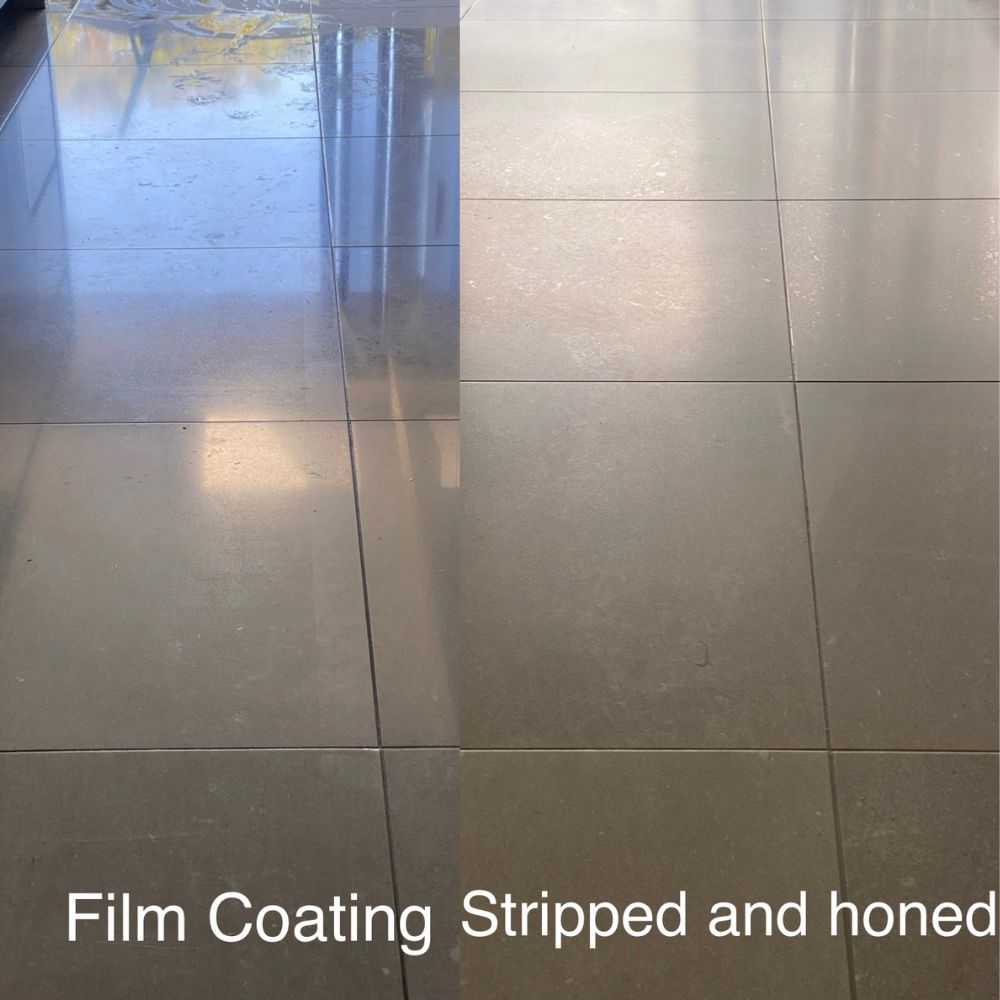
- Film Coating Stripped and Honed Brisbane and Gold Coast
-
- Marble Satin Gloss Before and After Brisbane Gold Coast by Marble Everlast
-
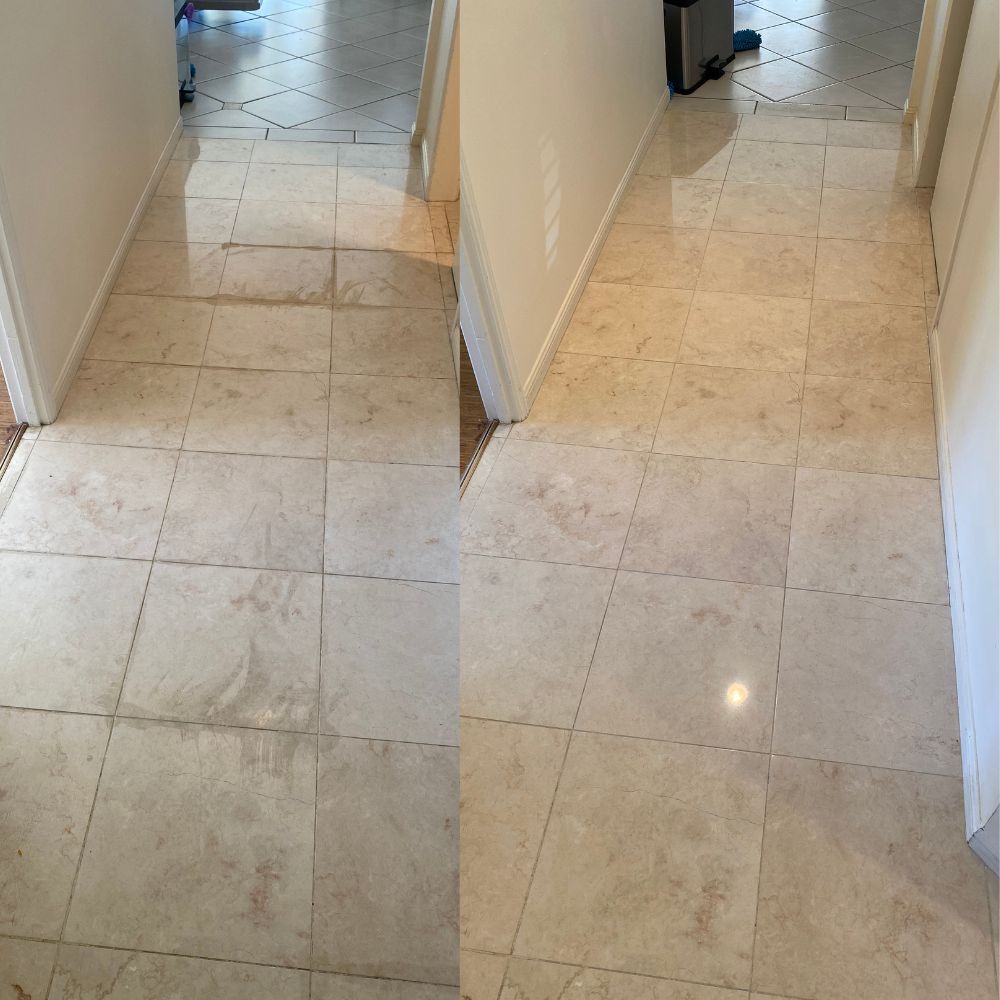
- Limestone Floor Damage Repair Before and After Brisbane Gold Coast by Marble Everlast
Contact Marble Everlast
Need help restoring, polishing or protecting your marble, stone or terrazzo surfaces? Speak with the Marble Everlast team today.
More from the Blog