

What Is Efflorescence on Stone?
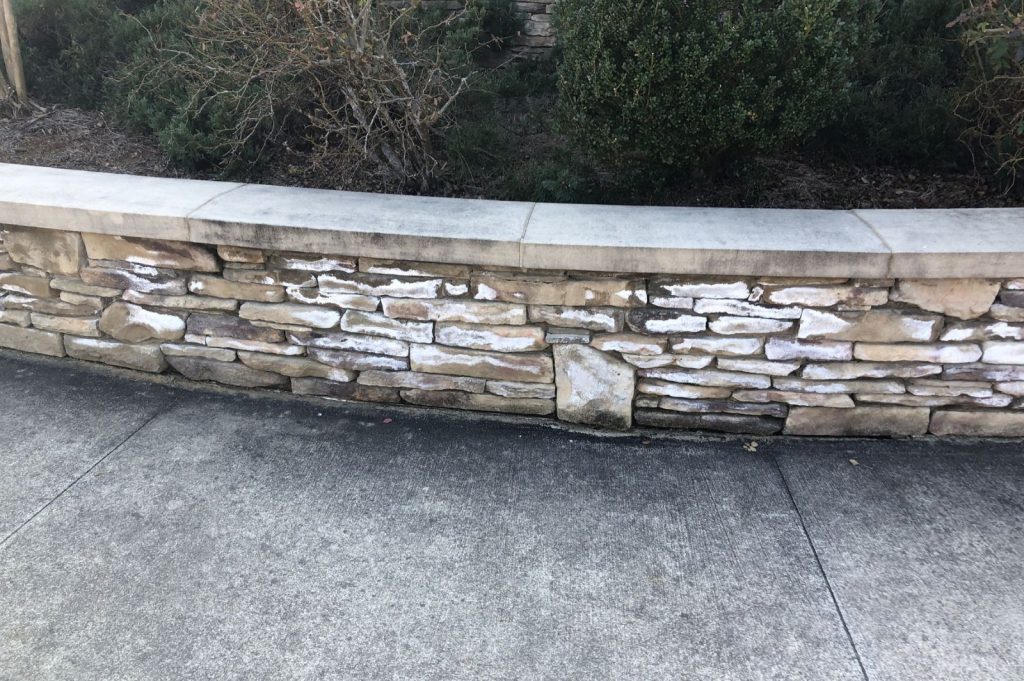
Efflorescence is that white, silvery kind of powder that can show up on the surface of stone. A lot of people think it is just dirt or a stain sitting on top, but it is normally coming from underneath the stone or from the bedding material below it.
Basically, it is a chemical reaction from the bed of the sand or the material under the stone that has risen through the surface. Once the moisture comes up through the stone and dries out, it leaves that white salt deposit on the surface.
It can be a little bit more tricky than a normal clean, because if the moisture is still coming through, it can keep coming back.
What does efflorescence look like?
Efflorescence normally looks like a white, chalky or silvery mark on the surface of the stone. Sometimes it looks like a powder. Sometimes it looks more like a cloudy patch.
You will often notice it more after rain, around damp areas, around pool surrounds, or on outdoor stone that has moisture sitting underneath it.
It can show up on:
- sandstone
- marble
- limestone
- travertine
- natural stone pavers
- stone walls
- outdoor tiled areas
- pool surrounds
The main thing is that it is not just something that has landed on the top of the stone. It is normally being pushed up through the material.
What causes efflorescence on stone?
Efflorescence is caused by moisture moving through the stone, grout, bedding sand, mortar, soil or substrate underneath.
As the moisture moves through, it picks up salts and minerals. When that moisture reaches the top and dries out, it leaves the salt behind. That is the white powder or silvery effect you can see on the surface.
So the problem is not always the stone itself. It can come from the bed of sand, the soil underneath, the grout, the mortar, or moisture sitting below the stone.
That is why it can be common in outdoor areas, especially where the stone gets wet and then dries out again.
Is efflorescence a stain?
Not really. It can look like a stain, but it is different.
A stain is normally something that has gone into the stone from the top, like oil, rust, food, leaves or bird droppings. Efflorescence is more like a salt deposit that has come up through the stone or through the material underneath.
That is why just washing it off does not always fix it. You might remove what is there on the day, but if the moisture is still coming through, it can come back again.
Is efflorescence bad for stone?
Sometimes it is mainly a visual problem. It makes the stone look dirty, cloudy or marked.
But if it keeps coming back, it can be a sign that moisture is still moving through the stone or underneath it. That is when you need to look a bit closer at what is causing it.
It could be poor drainage, moisture trapped under the paving, an issue with the bedding material, or an issue with the stone sealing.
If it is only a small amount on a new installation, it may dry out over time. But if it keeps returning, there is usually a reason for it.
Can you seal over efflorescence?
No, you do not want to just seal over it.
If you seal over efflorescence while the salts are still coming through, you can trap the problem under the sealer. Then it can make the surface look worse, and it can be harder to deal with later.
The stone needs to be cleaned properly first, and you need to understand why the efflorescence is happening before sealing is considered.
Sealing can help protect stone when it is done at the right time and with the right product, but it is not a magic fix for moisture coming up from underneath.
How do you remove efflorescence from stone?
Efflorescence removal is a little bit more tricky than normal cleaning.
The process depends on the stone and how bad the efflorescence is. We use a suitable product that is applied to the affected area, then it is agitated manually. It needs to dwell for a while, then it is removed, vacuumed, and the area is cleaned properly.
You have to be careful with what you use, because not every stone can take the same product. Marble, limestone and travertine especially can be damaged by the wrong chemicals.
That is why it is not always a good idea to just throw an acid cleaner or strong chemical on it. You might remove the white mark, but you could also etch or damage the stone.
Why does efflorescence come back?
If efflorescence keeps coming back, it normally means the moisture is still there.
You can clean the surface, but if water is still moving through the stone or the bed underneath, it can keep bringing salts and minerals back up. Once the water evaporates, the white residue appears again.
Common reasons it comes back include:
- moisture under the stone
- poor drainage
- bedding sand or substrate releasing salts
- rainwater sitting around the stone
- pool water or irrigation wetting the area
- sealing before the stone was properly dry
- the wrong sealer being used
- the surface being cleaned but the cause not being fixed
That is why the cause matters. Otherwise, you are only cleaning the symptom.
Where is efflorescence most common?
We usually see efflorescence in areas where stone is exposed to moisture.
It can happen around outdoor paving, pool surrounds, patios, garden areas, damp walls, and natural stone floors where moisture is coming through from underneath.
Sandstone pool areas are a common one because they get a lot of water, weather, leaves, garden waste and general wear. If the area has not been maintained or sealed properly, you can end up with staining, algae, moisture issues and salt marks.
Can efflorescence be prevented?
Yes, you can reduce the chance of it happening through proper planning and preparation of the area.
The main thing is to control moisture as much as possible. Good drainage, the right bedding material, proper installation, allowing the stone to dry before sealing, and regular maintenance all help.
When should you call a stone restoration professional?
If the white marks keep coming back, or you are not sure what type of stone you have, it is better to get someone who knows stone to have a look.
You should call a professional if:
- the efflorescence keeps returning
- the stone has already been sealed
- the area is around a pool or outdoor paving
- the stone is marble, limestone, travertine or sandstone
- you are not sure what cleaner to use
- DIY cleaning has not worked
- the marks are widespread
- you are worried about damaging the finish
Efflorescence can often be cleaned, but it needs the right approach. The important thing is not just removing the white mark on the surface, but understanding why it appeared in the first place.
Key Takeaway: Efflorescence on stone is the white, chalky or silvery residue that appears when moisture carries salts up through the stone, grout, bedding sand or substrate. Once the moisture dries, the salts are left on the surface. It can be cleaned, but if the moisture source is still there, it can come back again.
Key points
- Efflorescence looks like a white, powdery or silvery mark on the stone.
- It is caused by moisture bringing salts up to the surface.
- It can come from the stone, bedding sand, grout, mortar, soil or substrate.
- It is more common in damp outdoor areas, paving and pool surrounds.
- You should not just seal over efflorescence.
- The wrong cleaner can damage marble, limestone, travertine or sandstone.
- If it keeps coming back, the moisture source needs to be looked at.
Need Help With Efflorescence on Your Stone?
Efflorescence can be a bit more tricky than a normal clean, because you are not just dealing with what is sitting on the surface. If the moisture is still coming through the stone or the bedding underneath, the white marks can keep coming back.
At Marble Everlast, we can inspect the area, work out what type of stone you have, use a suitable product for the surface, and clean it properly without damaging the stone. We can also properly seal the stone once the surface has been cleaned and the moisture issue has been resolved.
If you have white, powdery or silvery marks appearing on your stone, contact Marble Everlast for professional stone cleaning and restoration in Brisbane and the Gold Coast.
Image credit: https://pressurewashingresource.com/community/t/stone-wall-efflorescence/29569
Contact Marble Everlast
Need help restoring, polishing or protecting your marble, stone or terrazzo surfaces? Speak with the Marble Everlast team today.
More from the Blog